

Why Choose Sport in PHCHARM
- ⚽
Full Coverage
Follow a wide variety of sports, including football, basketball, and more.
- 📊
Detailed Statistics
Access comprehensive data to help you make informed decisions.
- 🎁
Special Promotions
Earn exclusive bonuses and participate in end-of-year offers.
Exploring the Dynamics of Monopoly in Market Structures
- 🏆
Soccer
Watch live matches and enjoy the best betting options.
- 🏀
Basketball
Dive into the on-court action with exclusive stats and analysis.
- 🎾
Tennis
Bet on international tournaments with competitive odds.
PHCHARM: Mastering the Art of Online Baccarat
Explore how PHCHARM strategies enhance the experience of online baccarat in the ever-evolving digital gambling landscape.
- 📖
Study team statistics and performance before betting.
- 🕒
Gamble responsibly and set clear limits.
- 💡
Take advantage of seasonal promotions to maximize your earnings.

Monopoly

Understanding Monopoly: An Insight into Market Dynamics
Monopolies are a recurrent theme in the world of economics, often spark debates about market control, consumer choice, and pricing power. The concept of monopoly refers to a market structure where a single firm or an entity holds significant control over a particular commodity or service. This control can result in an absence of competition, leading to potentially unfair practices and a lack of innovation. The complexities of monopolies are vast, intersecting with legal frameworks, economic theories, and societal impacts.
The Characteristics of a Monopoly
A monopoly exists when a singular company or entity becomes the sole provider of a product or service in the market. Several distinctive characteristics define a monopoly:
- Lack of Competition: A monopolistic market structure inherently signifies the absence or minimal presence of competitors. The lack of alternatives results in limited choices for consumers.
- Price Maker: Unlike competitive markets where prices are determined by supply and demand, a monopoly can set prices. This aspect allows monopolies to potentially set higher prices than in a competitive market, maximizing profits.
- Barriers to Entry: High barriers prevent new entrants from competing in the market. These barriers include unique resource ownership, governmental regulations, and high start-up costs.
PHCHARM in the Context of Monopolies
The term "PHCHARM" could be considered as an acronym representing elements such as Price, Harm, Control, Autonomy, Regulation, and Monopoly. These facets are crucial when analyzing the effects of monopolies on economies:
- Price: In monopolistic markets, the ability to influence prices without regard to competitors can lead to elevated pricing strategies. This often means reduced consumer welfare as they spend more on fewer choices.
- Harm: Monopolies can harm the consumer by reducing product quality, delaying technological advancements, and maintaining inefficiencies. Consumers bear higher costs, both financially and through reduced satisfaction and innovation.
- Control: With extensive market control, monopolies can dictate terms that would be unacceptable in competitive environments. This control includes suppliers, prices, and even consumer data.
- Autonomy: Companies operating monopolistically often possess greater autonomy in decision-making, sidestepping customer preferences and competitive pressures that drive improvements in product offerings.
- Regulation: To curb the adverse effects of monopolies, governments impose regulations to protect consumers and ensure fair market practices. Often, this includes antitrust laws designed to break up monopolistic structures.
The Origins and Evolution of Monopolies
The history of monopolies stretches back centuries, with famous cases such as the British East India Company dominating trade in the 17th and 18th centuries. Over time, the face of monopolies has evolved from physical goods to intangible products and services, notably in the technology sector. These modern-day monopolies control vast amounts of data, influence global communication networks, and shape thought processes.
Monopolistic tendencies continue to be witnessed globally, whether through government-sanctioned monopolies or corporate giants exerting their dominance over consumers. Such structures can stifle competition, restrain economic growth, and widen inequality gaps.
Impact on Innovation and Consumer Choices
A central argument against monopolies is their stifling effect on innovation. In a competitive landscape, firms push for continuous improvements to capture market share, resulting in technological advancement and diversified choices for consumers. In contrast, monopolies lack such a drive due to the absence of competitive pressure.
Consumer choices suffer similarly. Without alternatives, consumers may find themselves locked into products that do not meet their needs or preferences. Monopolies can create dependency, shifting the balance of power further away from consumers.
Regulatory Efforts and Challenges
Governments worldwide have recognized the threat of monopolies and have implemented regulatory frameworks to prevent unfair market dominance. Laws and policies focusing on competition aim to dismantle monopolies, encouraging a landscape where firms can thrive through innovation and fair pricing.
However, regulatory challenges persist. The dynamic nature of modern markets, especially in the digital sphere, means that regulations can struggle to keep pace with rapid technological advancements. Companies may exploit these regulatory lags, maintaining dominance and perpetuating market inefficiencies.
Conclusion: Navigating the Monopolistic Maze
While monopolies present substantial challenges to both markets and regulators, identifying signs of monopolistic behavior is crucial. A balance between innovation-led market entries and consumer protection remains the goal for regulators. Only through adaptable policies and vigilant oversight can the PHCHARM factors be addressed, ensuring equitable markets where consumers and businesses alike can benefit from fair competition and innovation.
News Center
-

Dive into the thrilling universe of COWBOYS, a game that combines strategy and role-playing with the enchantment of PHCHARM.
-

Discover the dark allure of VampireKiss, diving deep into the game's description, introduction, and rules, while intertwining current events.
-

Dive into the intriguing world of DaHongZhong, a unique and traditional Chinese card game that combines strategy, skill, and a touch of luck.
-

Discover the immersive world of EntertheVault, where the PHCHARM keyword opens doors to new adventures.
-

Dive into the exciting universe of FoodFeast, a game that combines strategic play, culinary arts, and dynamic gameplay, enriched with the mysterious element of PHCHARM.
-
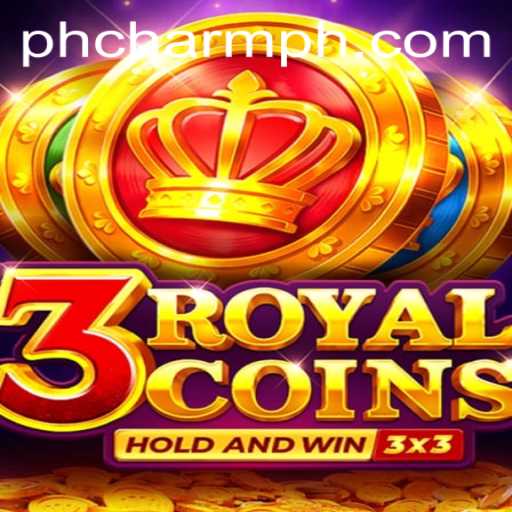
Dive into the captivating virtual world of 3royalcoins, exploring its unique gameplay, immersive experience, and exciting rules enlivened by current gaming trends.
-
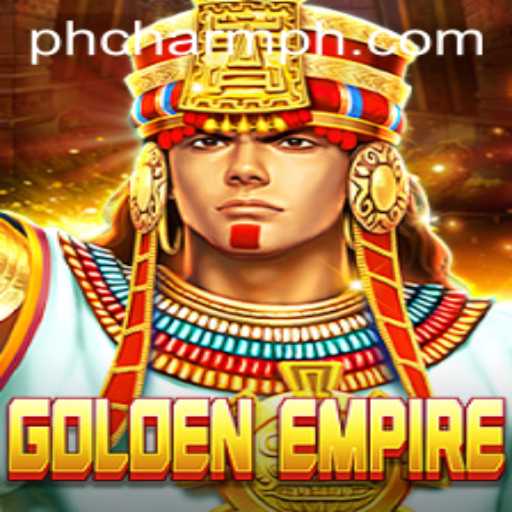
Discover the captivating world of GoldenEmpire, a groundbreaking game utilizing the power of PHCHARM. Explore its immersive gameplay, detailed rules, and the exciting cultural phenomena shaping the gaming landscape today.
-

GoHighPanda is a dynamic and engaging game, blending action, strategy, and creativity, set in a whimsical world where players help the charismatic panda, PHCHARM, navigate challenges.


